Test Strategy
The Digital Kudos Wall project implements a modern testing strategy based on the Modern Test Pyramid approach. This strategy moves beyond the traditional test pyramid (unit, integration, E2E) to provide more effective testing for modern architectures.
Modern Test Pyramid Overview
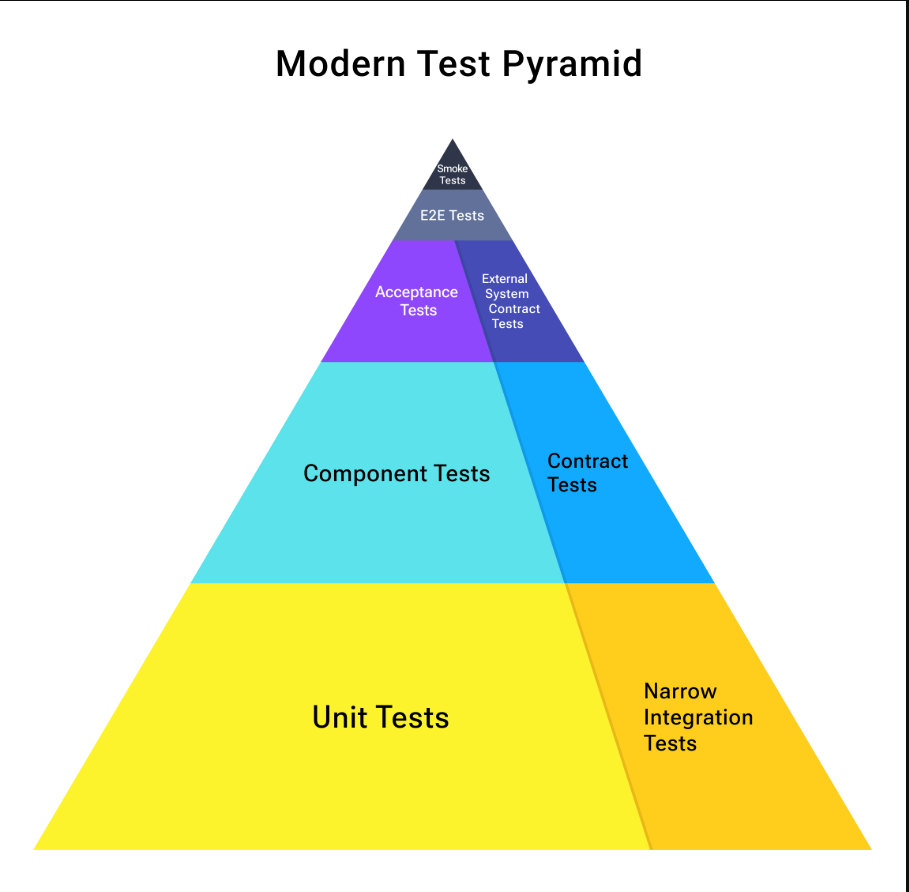
Our testing strategy is organized into three main levels:
- System Level Tests
- Component Level Tests
- Unit Level Tests
System Level Tests
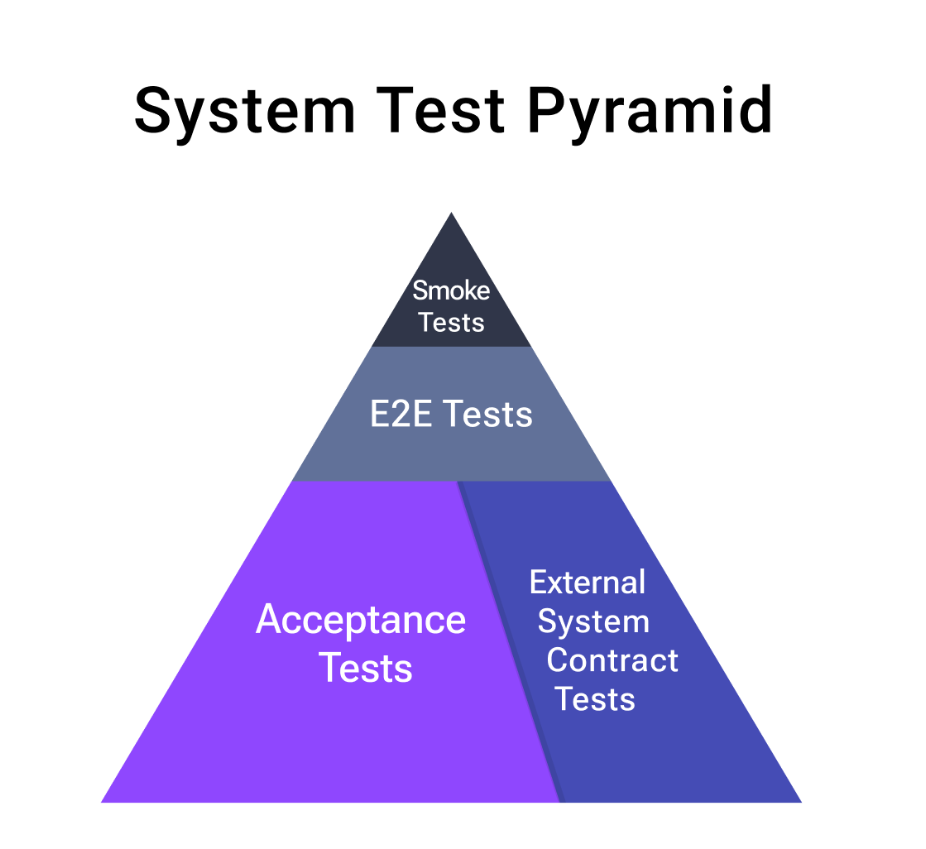
Smoke Tests
- Purpose: Verify that the system is up and running
- Implementation:
digital-kudos-wall-system-tests/src/smoke - SOP: SOP-SmokeTests.md
- Scope: System and External System Stubs
- Examples:
- Homepage loads successfully
- Basic navigation works
- Core features are accessible
E2E Tests
- Purpose: Verify system behavior in production-like environment
- Environment: UAT
- Scope: System and External System Test Instances
- Limitations: Limited to critical paths due to complexity
- Examples:
- Complete user registration flow
- Kudos creation and display
- Basic analytics dashboard operation
Acceptance Tests
- Purpose: Verify system behavior against acceptance criteria
- Implementation:
digital-kudos-wall-system-tests/src/acceptance - SOP: SOP-AcceptanceTests.md
- Scope: System and External System Stubs
- Advantages:
- Full scenario coverage
- Deterministic execution
- Reliable results
External System Contract Tests
- Purpose: Verify external system integration contracts
- Implementation: Contract test suites for each external dependency
- Verification: Ensures stubs match real external system behavior
- Examples:
- Authentication service contracts
- Email service integration
- Analytics service API
Component Level Tests
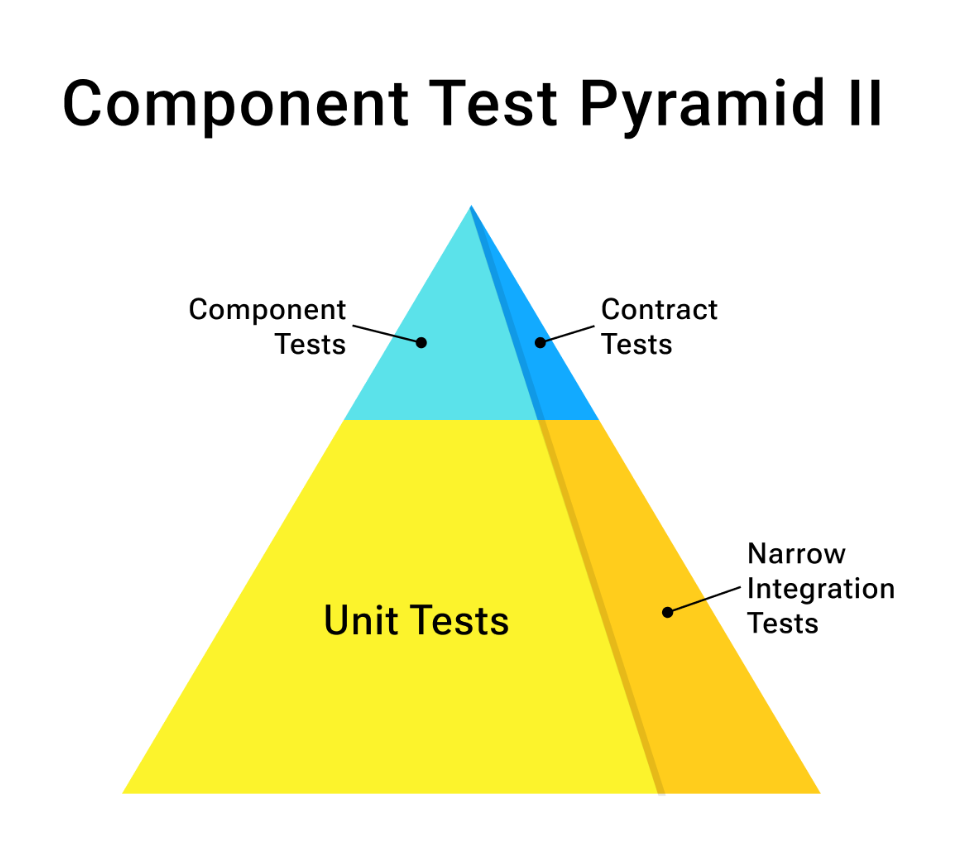
Component Tests
- Purpose: Verify behavior of individual components
- Implementation:
- Frontend:
digital-kudos-wall-frontend/src/__tests__/components - Backend:
digital-kudos-wall-backend/src/__tests__/components
- Frontend:
- SOPs:
- Scope: Individual components with stubbed dependencies
- Examples:
- Frontend UI component testing
- Backend service API testing
- Microservice isolation testing
Contract Tests
- Purpose: Verify communication between components through Consumer-Driven Contract Testing
- Implementation:
- Consumer (Frontend):
digital-kudos-wall-frontend/src/features/auth/repositories/__tests__/UserRepository.pact.test.ts - Provider (Backend):
digital-kudos-wall-backend/src/__tests__/contract/provider.contract.test.ts - Contract Definition:
digital-kudos-wall-frontend/pacts/DigitalKudosWallFrontend-DigitalKudosWallBackend.json
- Consumer (Frontend):
- SOPs:
Contract Flow
-
Consumer Testing:
- Frontend defines expected API behavior
- Pact tests generate contract files
- Contracts published to Pact Broker
-
Provider Verification:
- Backend verifies it can meet contract requirements
- Automated verification in CI pipeline
- Results published back to Pact Broker
-
Continuous Verification:
- Webhooks trigger provider verification on contract changes
- Fast feedback loop for API compatibility
- Can-I-Deploy checks in deployment pipeline
Unit Level Tests
Unit Tests
- Purpose: Verify business logic behavior
- Implementation: Sociable unit testing approach
- SOPs:
- Characteristics:
- Focus on behavior over implementation
- Minimal mocking
- Natural object collaboration
Narrow Integration Tests
- Purpose: Verify presentation and infrastructure behavior
- Implementation: Focused integration testing
- SOP: SOP-NarrowIntegrationTests.md
- Examples:
- Database access layer testing
- External API client testing
- UI state management testing
Test Data Management
- Purpose: Ensure consistent and reliable test data
- SOPs:
- Key Practices:
- Test data factories
- Isolated test databases
- Deterministic data generation
- Clean state between tests
Test Doubles Strategy
- Purpose: Provide reliable test isolation
- SOP: SOP-TestDoubles.md
Types of Test Doubles
-
Dummy
- Simplest form of test double
- Never actually used
- Just fills parameter lists
- Used when method signature requires a parameter that won't be used
-
Stub
- Returns hard-coded values
- Simplest possible implementation
- No conditional logic
- Used for providing indirect inputs to tests
-
Spy
- Records information about how it was called
- Used to verify behavior indirectly
- Extends stub functionality
- Useful for verifying indirect outputs
-
Mock
- Contains built-in verification
- Knows what they are testing
- Tests behavior rather than state
- Used when behavior verification is more important than state verification
-
Fake
- Has actual business behavior
- Like a simulator
- More complex implementation
- Used when you need a lightweight version of a real dependency
Best Practices
-
Prefer Simpler Doubles
- Use stubs over mocks when possible
- Spies for minimal behavior verification
- Avoid complex fakes unless necessary
-
Test Double Selection
- Dummies: For unused parameters
- Stubs: For providing indirect inputs
- Spies: For verifying indirect outputs
- Mocks: For behavior verification
- Fakes: For complex scenarios requiring business logic
-
Avoid Over-mocking
- Mock at architectural boundaries
- Don't mock value objects
- Don't mock everything
-
Maintainable Tests
- Keep test doubles simple
- Document test double purpose
- Follow consistent naming conventions
Implementation in Our Codebase
-
Frontend Tests
- API client stubs for component tests
- Service worker mocks for offline testing
- Local storage fakes for persistence testing
-
Backend Tests
- Database stubs for repository tests
- Message queue spies for event testing
- External service mocks for integration tests
-
System Tests
- Third-party API stubs
- Authentication service fakes
- Monitoring system mocks
For specific implementation details and examples, refer to:
Page Objects Pattern
- Purpose: Encapsulate UI structure and provide application-specific testing API
- Implementation:
digital-kudos-wall-system-tests/src/acceptance/drivers/web/pages/ - Key Principles:
- Hide HTML/UI implementation details
- Provide domain-specific interface for tests
- Return other page objects or primitive types
- Keep assertions in test code, not page objects
Design Guidelines
-
Responsibility
- Wrap UI fragments with application-specific API
- Handle UI element finding and manipulation
- Manage asynchronous UI operations
- Abstract away UI framework details
-
Structure
- Model significant UI elements, not entire pages
- Represent composite UI structures when meaningful to users
- Handle navigation between different pages
- Encapsulate waiting and synchronization logic
-
Best Practices
- Keep page objects free of assertions
- Return fundamental types or other page objects
- Hide UI framework specifics (e.g., Playwright selectors)
- Use meaningful business-oriented method names
Implementation in Our System Tests
-
Base Page Object
- Common functionality for all pages
- Shared navigation methods
- Reusable UI interaction patterns
- Standard waiting mechanisms
-
Feature-Specific Pages
- Account registration
- Kudos creation
- Wall viewing
- Analytics dashboard
-
Component Pages
- Header and footer
- Navigation menu
- Common UI elements
- Reusable widgets
For specific implementation details and examples, refer to:
Pipeline Integration
The test strategy is integrated into our CD pipeline:
-
Commit Stage
- Unit tests
- Component tests
- Contract tests
- Narrow integration tests
-
Acceptance Stage
- Acceptance tests
- Contract verification
-
UAT Stage
- Smoke tests
- E2E tests
- Manual validation
Benefits of Modern Test Pyramid
-
Improved Reliability
- Deterministic test execution
- Reduced flakiness
- Better isolation
-
Faster Feedback
- Quick unit and component tests
- Targeted integration tests
- Efficient acceptance tests
-
Better Coverage
- Comprehensive system testing
- Thorough component verification
- Solid unit test foundation
-
Maintainable Tests
- Clear test boundaries
- Reduced test coupling
- Easier debugging